
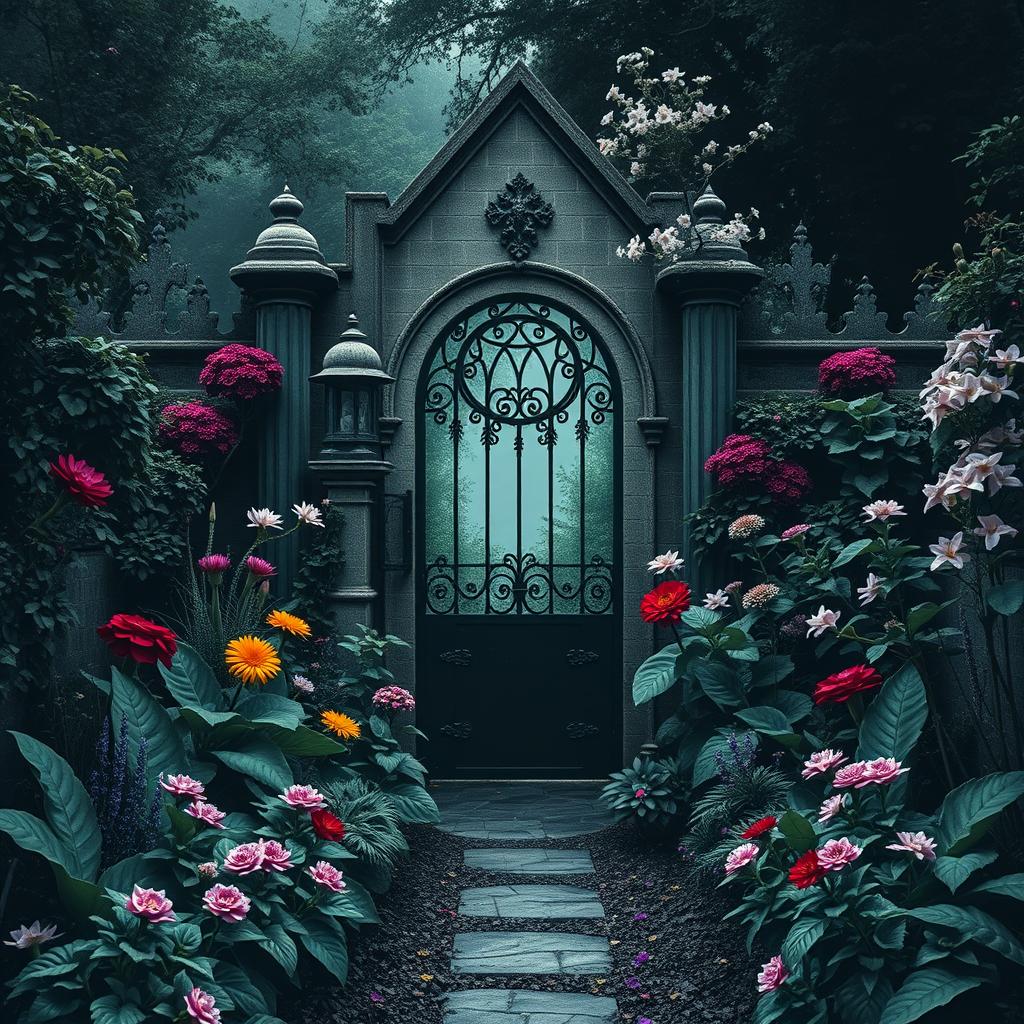


1. Moody Color Palettes
Dark hues dominate gothic gardens. Plants with deep purple, black, burgundy, or blood-red flowers or foliage add drama. Favorites include:
Black tulips
Queen of Night roses
Black hollyhocks
Heuchera ‘Obsidian’
Coleus in dark shades
Purple fountain grass
Silver and pale tones can serve as ethereal accents. Consider ghostly white foxgloves, dusty miller, or moonflower vines. This book actually lists 75 different black plants perfect for any goth garden: Black Plants: 75 Striking Choices for the Garden.
2. Architectural Features
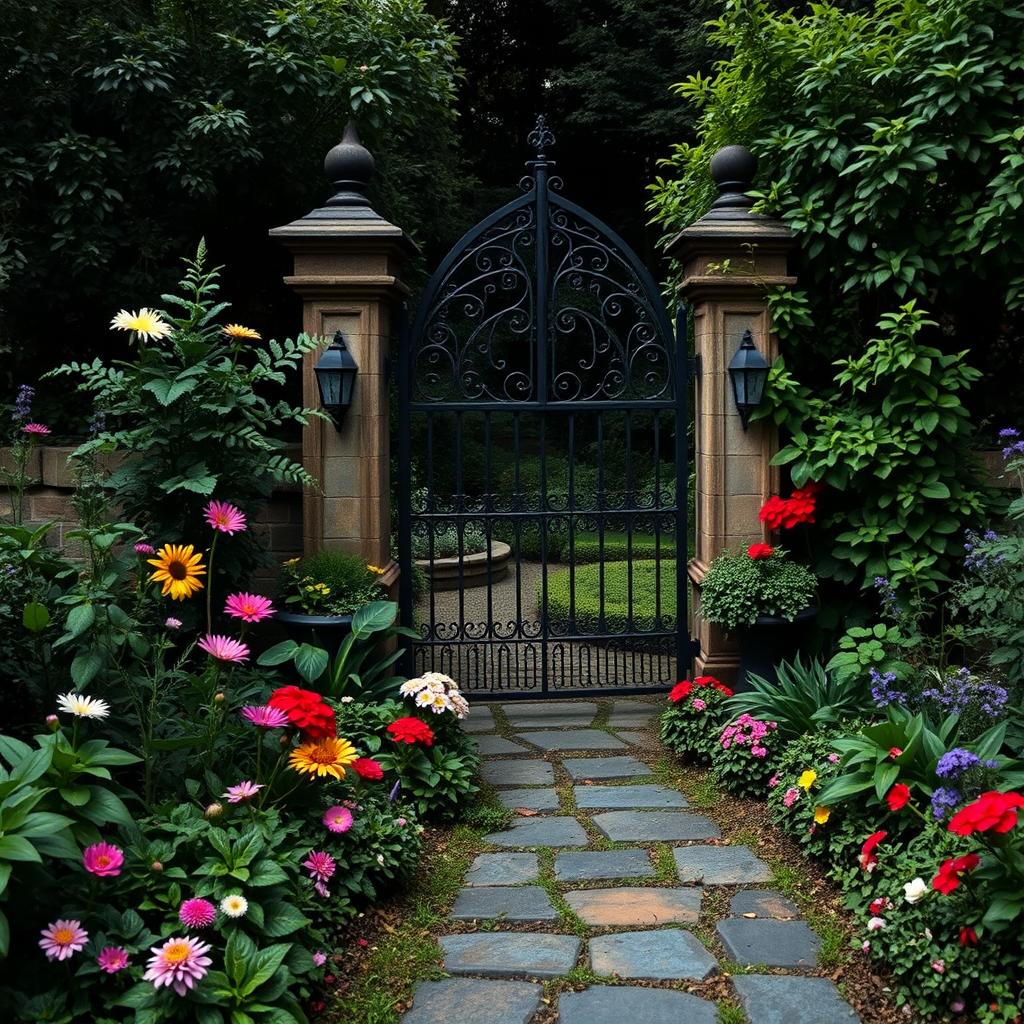
Structural elements are crucial to evoke a gothic atmosphere. These include:
Arched trellises and wrought-iron gates
Stone benches and moss-covered statues
Gothic-style lanterns or chandeliers
Weathered urns and fountains
Ruins or faux ruins—broken walls, crumbling brick—can make the garden feel timeless and melancholic.

3. Vining and Climbing Plants
Overgrowth is part of the gothic charm. Vines that sprawl over stone or wrought iron add a sense of history and neglect:
English ivy
Clematis (especially dark varieties)
Black-eyed Susan vine
Wisteria or trumpet vine
These plants create an enclosed, secretive atmosphere—a place lost in time. For even more gothic charm, add in some fairy lights with your climbing vines like these: Vines with fairy lights intertwined.
4. Gothic Symbolism in Flora
The Victorians gave plants symbolic meaning, many of which align with gothic themes:
Belladonna (Deadly Nightshade): Beauty and danger
Yew: Immortality and death
Rosemary: Remembrance
Rue: Regret
Lavender: Mourning and peace
Use these symbolically or aesthetically to add emotional and narrative depth.

Lighting and Ambiance
A gothic garden truly comes alive at dusk. Incorporate:
Candles in lanterns or hanging jars
Solar-powered lights with warm, low glows
Mirrors partially hidden by foliage to reflect flickering light and create eerie illusions
Fog machines or water features for mist and movement
Ambient sound, like distant wind chimes or a babbling fountain, enhances the immersive experience.
Gothic gardening is an evocative and expressive approach to outdoor design that embraces mystery, decay, shadow, and beauty in equal measure. Drawing inspiration from gothic architecture, literature, and aesthetics, this style is about more than planting dark flowers—it’s about cultivating an atmosphere.
Whether you’re a romantic at heart, a fan of Victorian ghost stories, or someone who simply prefers the moonlight over the sunshine, gothic gardening offers a unique way to bring your inner world to life in your outdoor space.
What Is Gothic Gardening?
At its core, gothic gardening marries the natural and the macabre. Think shadowy groves, ivy-covered statues, wrought-iron fencing, blood-red roses, and the soft whisper of wind through ancient trees. It emphasizes contrast—light and dark, life and death, wildness and structure.
This style can be applied to sprawling gardens, modest patios, or even indoor potted plant collections. It’s about creating a narrative—a space that feels steeped in story and slightly otherworldly. Check out this book full of inspiring ways to create your own Goth Garden.
Key Elements of a Gothic Garden
1. Moody Color Palettes
Dark hues dominate gothic gardens. Plants with deep purple, black, burgundy, or blood-red flowers or foliage add drama. Favorites include:
Black tulips
Queen of Night roses
Black hollyhocks
Heuchera ‘Obsidian’
Coleus in dark shades
Purple fountain grass
Silver and pale tones can serve as ethereal accents. Consider ghostly white foxgloves, dusty miller, or moonflower vines. This book actually lists 75 different black plants perfect for any goth garden: Black Plants: 75 Striking Choices for the Garden.
2. Architectural Features
Structural elements are crucial to evoke a gothic atmosphere. These include:
Arched trellises and wrought-iron gates
Stone benches and moss-covered statues
Gothic-style lanterns or chandeliers
Weathered urns and fountains
Ruins or faux ruins—broken walls, crumbling brick—can make the garden feel timeless and melancholic.
3. Vining and Climbing Plants
Overgrowth is part of the gothic charm. Vines that sprawl over stone or wrought iron add a sense of history and neglect:
English ivy
Clematis (especially dark varieties)
Black-eyed Susan vine
Wisteria or trumpet vine
These plants create an enclosed, secretive atmosphere—a place lost in time. For even more gothic charm, add in some fairy lights with your climbing vines like these: Vines with fairy lights intertwined.
4. Gothic Symbolism in Flora
The Victorians gave plants symbolic meaning, many of which align with gothic themes:
Belladonna (Deadly Nightshade): Beauty and danger
Yew: Immortality and death
Rosemary: Remembrance
Rue: Regret
Lavender: Mourning and peace
Use these symbolically or aesthetically to add emotional and narrative depth.
Lighting and Ambiance
A gothic garden truly comes alive at dusk. Incorporate:
Candles in lanterns or hanging jars
Solar-powered lights with warm, low glows
Mirrors partially hidden by foliage to reflect flickering light and create eerie illusions
Fog machines or water features for mist and movement
Ambient sound, like distant wind chimes or a babbling fountain, enhances the immersive experience.
Seasonal Layers and Decay
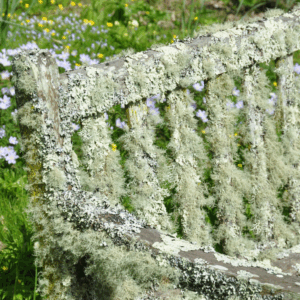
Unlike manicured gardens, gothic gardening embraces imperfection. Let leaves fall and decay. Highlight the beauty in rust, moss, and weathering. Incorporate seasonal changes to evoke the passage of time:
Autumn’s dying foliage and bare trees
Winter’s stark branches and frost
Spring’s emergence of life after death
Even decay is an aesthetic layer—let lichen grow, and don’t rush to deadhead flowers.
Final Thoughts: Let Darkness Bloom
Gothic gardening is more than a trend—it’s an invitation to connect with the mysterious side of nature. Whether you go full Dracula or just want a shadowy corner to sip your tea, let your garden be a sanctuary for the strange and beautiful.
Seasonal Layers and Decay
Unlike manicured gardens, gothic gardening embraces imperfection. Let leaves fall and decay. Highlight the beauty in rust, moss, and weathering. Incorporate seasonal changes to evoke the passage of time:
Autumn’s dying foliage and bare trees
Winter’s stark branches and frost
Spring’s emergence of life after death
Even decay is an aesthetic layer—let lichen grow, and don’t rush to deadhead flowers.